Tribal Eagle Head: A Craft Fair-Ready Embroidery Design?
First Impressions: Bold, Rustic, and Attention-Grabbing
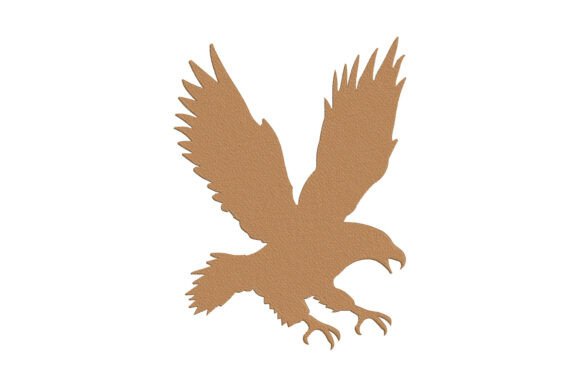
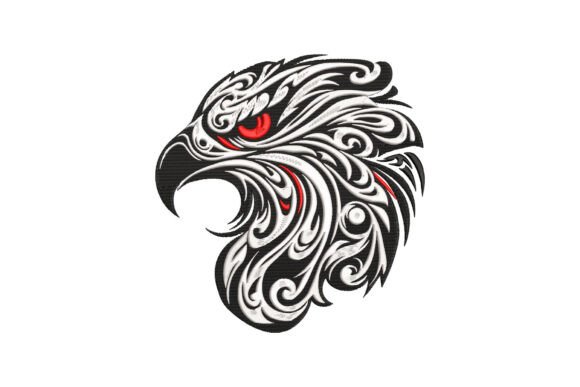
As an embroidery designer prepping for a weekend craft fair, the Tribal Eagle Head design immediately caught my eye. It has that rugged, slightly edgy vibe that appeals to customers looking for handmade items with personality. The word “Tribal” in the title hints at a cultural, symbolic motif, while “Eagle Head” suggests strength and pride. Visually, I expect this to be a mid-sized design with clean lines and intentional texture—perfect for rustic, outdoor, or artisan-themed booths.
Where Tribal Eagle Head Shines: Product Picks for Maximum Impact
This design isn’t overly fussy or delicate, so it works best on products where boldness and simplicity stand out. Here’s where I’d feature it:
- Tote bags – Centered on the front panel or subtly near the strap, it adds a distinctive touch without overwhelming the bag.
- Aprons – Placed just above the hem or on the chest area, it gives a rustic, artisan feel.
- Tea towels – Positioned in a corner or centered above a hemline, it adds character without competing with the fabric pattern.
- Embroidered patches – Ideal for sew-on or iron-on patches sold individually or on denim accessories.
- Pillow covers – Works well centered on square covers or off to one side for a curated look.
Will It Sell? Understanding Visual Appeal and Customer Response
At a craft fair, customers make quick decisions based on what catches their eye. The Tribal Eagle Head has a strong visual hook—its tribal lines and eagle motif are instantly recognizable. It’s not a novelty design, but rather one that exudes quiet confidence. That makes it appealing for buyers looking for meaningful, non-trendy pieces.
As a seller, you’ll want to display this on a mix of light and dark fabrics to show versatility. A black tote with white thread highlights can make the design pop, while a navy tea towel with earth-toned stitching gives it a more subdued, elegant look.
Production Practicality: How Easy Is It to Stitch and Sell?
From a production standpoint, the Tribal Eagle Head should be fairly straightforward to stitch, assuming it’s well-digitized. Here’s what I’d look for before batch-producing:
- Clarity at smaller sizes – Does the eagle head lose definition when scaled down for patches or cap fronts?
- Stitch density – Are there overly dense areas that might pucker on thinner fabrics?
- Thread color contrast – Does the design rely on subtle shading that might get lost on textured towels or dark fabric?
Careful Use: What to Watch For in This Design
If the design includes fine tribal lines or small geometric elements, it could be sensitive to fabric texture. On thick or terry cloth towels, those details might sink into the nap and become less visible. Similarly, on curved surfaces like baseball caps, small details may distort or get lost.
Also, if there’s any lettering or tiny symbols included in the tribal pattern (which isn’t mentioned in the product description), test those separately. They may require a larger hoop or a simplified version for clarity.
Photography and Online Listings: Does It Translate Well?
One of the key selling points of the Tribal Eagle Head is its strong visual identity. That makes it ideal for printable mockups and Etsy listings where product photos need to capture attention fast. It photographs well in both lifestyle and flat lay shots, especially when styled with other rustic or nature-themed items like wooden signs, linen cloths, or leather accessories.
For digital sellers, including this design in a themed bundle (like “Nature-Inspired Embroidery Pack” or “Rustic Tribal Collection”) could increase its visibility and perceived value.
Batch Production and Booth Display: Making the Most of This Design
When setting up your craft fair booth, the Tribal Eagle Head can be a great anchor piece. Display it on multiple products in a cohesive way—like a set of embroidered tea towels, matching tote bags, and a sample cap. Grouping them together creates a unified look and helps shoppers imagine the design across different items.
For batch production, check if the design files are compatible with your machine and if they include multiple sizes. If not, you may need to resize or adjust the design before stitching hundreds of items.
Designer Notes: Test Before You Commit
Before stitching this design for sale, I always recommend a few key steps:
- Test on scrap fabric – Especially textured or dark materials.
- Check thread contrast – Make sure the colors you choose highlight the tribal patterns effectively.
- Review spacing and density – Avoid puckering by ensuring the stitch count is appropriate for the fabric.
- Confirm hoop size – Make sure it fits your machine and the intended product area.
- Use the right stabilizer – Lightweight for smooth fabrics, heavy for textured ones.
- Create a real mockup – Don’t rely solely on digital previews.
- Compare fabric colors – See how the design looks on light, medium, and dark tones.
- Check commercial licensing – Always confirm you’re allowed to sell finished products using the design.
Final Thoughts: A Solid Choice for Your Craft Fair Lineup
Overall, the Tribal Eagle Head is a strong, versatile machine embroidery design that brings a sense of craftsmanship and symbolism to your handmade products. Whether you're selling embroidered tote bags, aprons, or patches, this design can help elevate your booth and attract customers looking for something meaningful and well-made.
If you’re an Etsy seller, boutique maker, or creative entrepreneur, consider adding this to your next product batch. Just make sure to test, adjust, and style it right—and it could become a staple in your small shop product lineup.