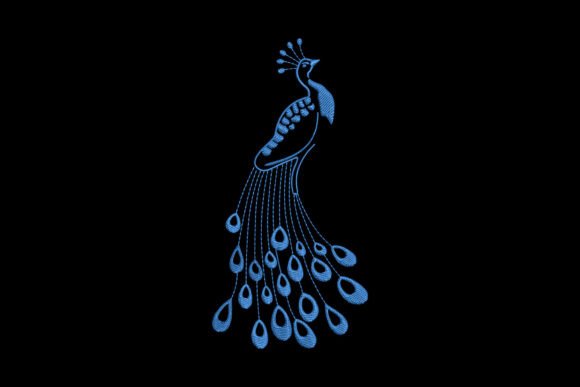
Decorative Peacock: A Charm for Craft Fair Embroidery
First Impressions: Subtle Elegance with a Touch of Whimsy
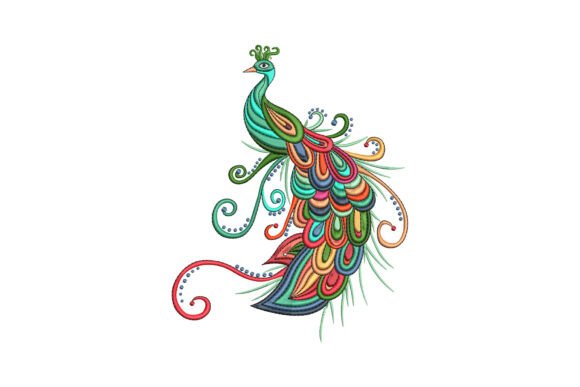
As an embroidery designer preparing for a weekend craft fair, the Decorative Peacock immediately caught my eye. The name suggests a stylized, artistic interpretation rather than a literal representation. From the product description, it's clear this is a design meant to add a subtle touch of charm and creativity—perfect for sellers who want to appeal to buyers looking for understated elegance with a hint of whimsy.
The peacock theme hints at a sense of sophistication and visual interest, but the emphasis on subtlety means this design won’t overwhelm. It feels decorative yet versatile, fitting for farmhouse, modern, or soft bohemian aesthetics. It’s not overtly bold or minimalist, but somewhere in the middle—ideal for a wide range of handmade products.
How Decorative Peacock Performs on Craft Fair Products
Let’s talk real-world applications. At a craft fair, you’re competing for attention with dozens of other booths. Your products need to stand out quickly. Here’s how Decorative Peacock could play a role across popular handmade items:
- Tote Bags: A peacock design adds a touch of personality to a neutral tote. Placed on the corner or centered on the front, it can elevate a simple bag into a boutique-style item.
- Aprons: Positioned near the hip or chest area, the design brings charm without interfering with function. Especially appealing for kitchen or gardening aprons.
- Tea Towels: This is where Decorative Peacock really shines. On a white or light kitchen towel, the embroidery can feel soft and elegant, perfect for gift buyers or Etsy shoppers.
- Embroidered Caps: Curved surfaces can be tricky, but if the design is balanced and not too dense, it can work well on the front or side of a cap.
- Fabric Pouches: Great for small accessories or cosmetic bags. A tiny peacock adds charm without crowding the space.
- Pillow Covers: If the design is large enough, it can serve as a focal point. Alternatively, a smaller version could be stitched in the corner for a subtle detail.
- Market Bags & Pouches: These are popular among craft fair shoppers. A peacock motif gives them a boutique feel, especially if paired with earthy tones or linen fabric.
Practical Selling Points: Visibility, Simplicity, and Batch Production
One of the most important factors for a craft fair seller is how quickly a design communicates its value. Does it catch the eye from across the room? Does it read well in a photo on Etsy?
Decorative Peacock seems to strike a good balance. It’s not overly complex, so it’s easy to understand at a glance. That makes it ideal for printable mockups and Etsy listings, where customers may only spend a few seconds deciding if they like the design.
For batch production, this design should hold up well. As long as the stitch density isn’t too high, it should be quick to embroider and repeatable across multiple items. This is key for small shop owners who need to make dozens of items efficiently without sacrificing quality.
Careful-Use Notes: Design Details That Matter
Every embroidery design has its quirks. Here are some things to watch for with Decorative Peacock:
- Dense stitch areas: Check for overly tight sections that might pucker on thin fabric or cause issues on textured towels.
- Tiny details: Peacock feathers can be intricate. If the design includes small lines or fills, test how they translate on different thread colors and fabric types.
- Dark fabric: Some details might not pop on black or navy. Consider contrast threads or placement near lighter areas of the garment.
- Curved surfaces: For caps or curved pouches, ensure the design doesn’t stretch or distort when stitched.
- Small sizes: If you plan to shrink the design for patches or small pouches, check if the details remain visible and readable.
Visual Appeal and Booth Display Strength
At a craft fair, your booth is your storefront. The Decorative Peacock design can help you create a cohesive, visually appealing display. Because it’s elegant yet not overly ornate, it works well across a range of product types.
Use it consistently on tote bags, tea towels, and pillow covers to create a unified theme. Pair with earth tones, soft greens, or neutral linens for a cohesive look. This will help reinforce brand consistency and make your booth feel more professional and curated.
Customers are drawn to handmade items that feel intentional. The peacock motif adds a sense of storytelling—nature-inspired, a bit exotic, and undeniably charming. That kind of emotional connection is what turns booth browsers into buyers.
Designer Notes: Prepping for Production
Before launching Decorative Peacock into your product lineup, here are some must-do steps:
- Test on scrap fabric: Always run a test stitch before embroidering on your final product. This helps catch issues early.
- Check thread contrast: Ensure the thread colors included in the machine embroidery design work well on your chosen fabric colors.
- Review spacing and alignment: Especially important for curved items like caps or pouches.
- Confirm hoop size: Make sure your embroidery machine can accommodate the design without distortion.
- Inspect stitch density: Avoid overly dense sections that may cause puckering or stiffness.
- Use the right stabilizer: A medium-weight tear-away or cut-away stabilizer is usually best for most handmade products.
- Create a real mockup: Don’t rely solely on digital previews. Stitch a sample on the actual fabric to see how it looks in person.
- Compare fabric colors: Test the design on light, medium, and dark fabrics to see where it performs best.
- Confirm commercial licensing: Always check the digital embroidery file license before selling finished products. This ensures you’re protected legally as a small shop product seller.
Final Thoughts: Worth the Stitch?
Absolutely. The Decorative Peacock is a solid choice for craft fair sellers, Etsy sellers, and creative entrepreneurs looking to add a touch of nature-inspired elegance to their embroidery business. It’s versatile, visually appealing, and well-suited for a variety of craft fair products.
Just remember to test, test, test. And when you do, you’ll likely find that this design becomes a quiet star in your product lineup—one that draws attention without shouting for it.