Slow Burn Embroidery Review: A Cozy Valentine’s Design for Real Projects
First Impressions: Charming, Playful, and Heartfelt
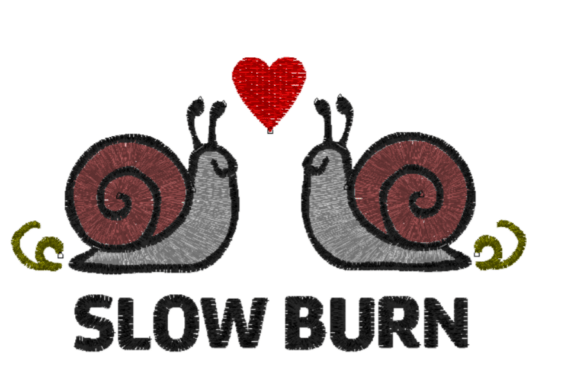
When I first opened the Slow Burn embroidery file on my machine, I was immediately drawn to its whimsical charm. Two snails facing each other with heart trails — it’s a design that feels both nostalgic and modern. The stitch work is clean, and the overall mood is cozy, making it a perfect fit for Valentine’s Day items or romantic-themed handmade goods.
From a design standpoint, Slow Burn has a soft personality. It’s not overly detailed, but still expressive enough to catch attention on a tote bag, baby blanket, or pillow cover. The heart trails add a sense of motion and emotion, which is great for crafters looking to inject a bit of storytelling into their embroidery projects.
Design Versatility: Where Does Slow Burn Fit Best?
As an embroidery designer who regularly creates custom items for Etsy listings and boutique merchandise, I’m always on the lookout for designs that can transition across different product types. Slow Burn surprised me with how adaptable it is.
- Tote bags: Works beautifully centered on a natural canvas tote for a sweet, handcrafted gift.
- Sweatshirts: Placed on the chest or sleeve, it adds a subtle but meaningful design touch.
- Baby items: Especially cute on burp cloths, onesies, or receiving blankets — a soft way to celebrate love early.
- Aprons: A nice addition to the corner of a kitchen apron, especially for couples who cook together.
- Kitchen towels: Adds a decorative, personalized feel without overwhelming the fabric.
It’s also a solid choice for embroidered patches and printable mockups. Whether you're selling at a craft fair or creating digital embroidery files for resale, Slow Burn has enough personality to stand out without being too niche.
Real-World Embroidery Performance
Now, let’s talk about how Slow Burn performs under the needle. I tested it on a few different fabrics to get a real sense of how it holds up in different scenarios.
Small Hoop Sizes and Detail Clarity
One of the first things I checked was how the design holds up in smaller hoop sizes. While I didn’t see any thread tangling or detail loss, I’d recommend checking the file’s minimum hoop size before stitching on tiny surfaces like baby caps or small patches. If the snails and heart trails are too compressed, some of the charm might get lost.
Stitch Density and Fabric Texture
The stitch density feels well-balanced — not too heavy to cause puckering on lightweight cotton, and not too light to look washed out on thicker fabrics like sweatshirt fleece. I did notice that on textured or loosely woven fabrics, the satin and fill stitches held up well, maintaining the design’s integrity.
Dark vs. Light Fabrics
Thread color contrast is key here. On light fabric, the heart trails and snail outlines pop beautifully. On dark fabric, I’d suggest using metallic or high-contrast thread for the heart trails to keep the design from blending in. Always do a test stitch on scrap fabric to ensure visibility and balance.
Stretchy and Curved Surfaces
Slow Burn could work on stretchy fabrics like knits or curved surfaces like caps, but be sure to use proper stabilizer. I used a medium-weight tear-away stabilizer on a stretchy baby onesie and had no shifting or distortion. For curved surfaces like baseball caps, make sure the hoop fits snugly and consider using a cap frame if available.
Practical Considerations for Commercial Use
If you're planning to sell items embroidered with Slow Burn, especially as part of your handmade shop or custom apparel line, here are a few points to keep in mind:
- Licensing: Always double-check the license terms on the Creative Fabrica product page before selling finished products.
- Thread colors: Choose thread that complements the intended fabric and enhances the heart trails.
- Stabilizer choice: Use appropriate stabilizer based on fabric type to avoid distortion.
- Mockups: This design works well in digital mockups — especially for seasonal product photography.
- Layered details: If the design includes layered elements, make sure they align correctly during stitching.
Also, always test the design on scrap fabric before committing to your final product. It’s a small step that can save a lot of time and materials in the long run.
Impact on Product Value and Customer Appeal
What I love most about Slow Burn is how it elevates the perceived value of a product. It’s not just a Valentine’s Day embroidery file — it’s a design that tells a story. Whether you're creating a personalized gift or a custom apparel piece, this design adds a layer of emotional appeal.
For Etsy sellers and handmade shop owners, that kind of visual storytelling can boost customer engagement and brand loyalty. It’s subtle enough to feel timeless, yet specific enough to resonate with gift buyers looking for something meaningful.
From a product photography standpoint, Slow Burn stands out beautifully in lifestyle shots — especially when paired with cozy, romantic backdrops. It makes for a strong visual hook in social media content and product listings.
Final Thoughts: Is Slow Burn Worth It?
Yes, especially if you’re looking for a charming, romantic design that works across multiple product types. As a professional embroidery designer, I appreciate how well it balances simplicity with emotional impact. It’s not just a machine embroidery design — it’s a design asset that can help elevate your handmade products and digital embroidery offerings.
Before using it for a customer order or commercial embroidery product, always verify the file details and licensing terms on the Creative Fabrica page. Once you’ve done that, give Slow Burn a test run on scrap fabric and see how it fits into your creative workflow.
If you're crafting for love — or for profit — Slow Burn is definitely worth a spot in your design collection.