Heartbeat Love: A Designer's Craft Fair Review
As I set up my table for the upcoming weekend craft fair, the pressure to curate a collection that stops shoppers in their tracks is immense. The air is thick with the scent of fresh coffee and handmade goods, and every item on my display must earn its place. Today, I am reviewing a specific machine embroidery design titled Heartbeat Love. Before I commit hours of production time to this file, I need to determine if it translates from a digital screen into a tangible handmade product that sells. For an Etsy seller or boutique maker preparing for Valentine S Day, the difference between a bestseller and a leftover item often comes down to how well the design performs in person.
First Impressions: Mood and Market Fit
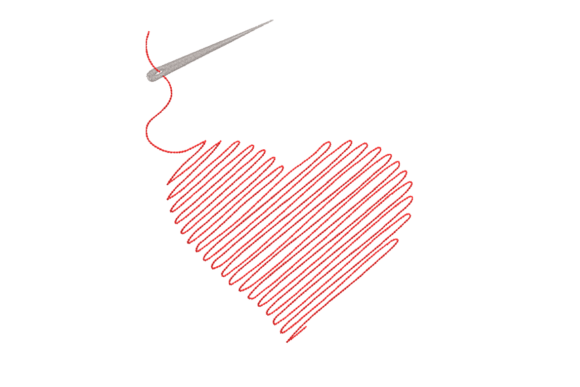
When I first load the embroidery file onto my hoop, the aesthetic of Heartbeat Love immediately registers as modern yet timeless. It strikes a delicate balance between cute and elegant, avoiding the trap of looking overly kitschy or dated. In a sea of generic red hearts, this design offers a narrative. The concept of a heartbeat implies life, rhythm, and genuine emotion, which resonates deeply with customers looking for meaningful gifts. For a craft fair product, visual clarity is paramount; a shopper scanning a booth has only seconds to decide. Heartbeat Love succeeds here because the motif is recognizable at a glance. It feels soft and decorative, making it versatile enough to fit both farmhouse-style displays and more contemporary, minimal setups.
The emotional weight of the title combined with the visual simplicity suggests high perceived value. Customers are willing to pay a premium for items that feel personal rather than mass-produced. This design asset has the potential to elevate a simple commodity into a cherished keepsake, provided the execution matches the intent.
Product Application: Where Does It Shine?
To maximize sales, I must match the design to the right carrier. Not every digital embroidery file works on every surface. Here is how Heartbeat Love performs across my planned inventory:
- Tote Bags and Market Bags: On a sturdy canvas tote bag, this design acts as a bold focal point. The texture of the fabric provides a nice contrast to the smooth satin stitches. A tote bag design featuring Heartbeat Love appeals to the eco-conscious shopper who wants a stylish way to carry groceries while expressing affection.
- Kitchen Textiles: For apron embroidery and tea towel embroidery, the design adds a touch of warmth to the home. However, on textured towels, one must be cautious. The loops of a terry cloth towel can sometimes swallow fine details. If the design includes thin lines, they may get lost in the pile. I would recommend using a tighter weave linen or cotton for the best results to ensure the "heartbeat" line remains crisp.
- Embroidered Patches: Creating an embroidered patch version of this design opens up a new revenue stream. Patches are low-risk for the buyer and easy to ship. They can be applied to denim jackets, backpacks, or hats, extending the life of the design beyond just fabric goods.
- Caps and Headwear: Curved surfaces present a unique challenge. The cap panel is small, and the curvature can distort the design if the stitch density is too high. Heartbeat Love needs to be scaled appropriately so it does not look stretched or bunched up on the front of a hat.
- Pillow Covers and Home Decor: As a larger scale item, a pillow cover allows the design to breathe. This is excellent for creating a cohesive brand look in a home setting, appealing to buyers decorating for Valentine S Day or year-round romance themes.
Production Realities: Density, Stabilizers, and Fabric
From a technical standpoint, producing Heartbeat Love requires attention to detail. One of the most critical factors is stitch density. If the design packs too many stitches into a small area, the fabric will pucker, ruining the professional finish. Conversely, if it is too sparse, the backing might show through, making the product look cheap. I always test the design on scrap fabric first. This step is non-negotiable for any serious small shop product creator.
Fabric texture plays a massive role in the final outcome. While the design looks perfect on a flat screen, applying it to a thick, heavy wool blend or a highly textured toweling requires adjustments. You may need to increase the tear-away stabilizer weight to prevent the needle from dragging the fabric out of alignment. Similarly, thread colors must be chosen carefully. A white thread on a light cream background will disappear, while a neon pink on a rustic brown canvas might clash. I recommend creating a physical color chart before committing to a batch run.
Another practical consideration is the hoop size. Ensure your machine can accommodate the full width and height of the design without re-hooping, which can lead to registration errors. If the design is large, check that your hoop does not leave visible marks on delicate fabrics like silk or fine linen. These imperfections can turn a potential sale into a return.
Selling Strategy: Photography and Brand Consistency
For the online component of my business, particularly on Etsy, photography is everything. Heartbeat Love photographs beautifully due to its clean lines and clear shape. When creating printable mockups for my listings, I focus on close-up shots that highlight the texture of the stitching. Buyers want to see the quality of the work. Showing the back of the embroidery can also build trust, proving that there are no loose threads and that a proper stabilizer was used.
This design strengthens brand consistency. By using Heartbeat Love across different products—bags, aprons, and patches—I create a recognizable signature style. This helps build a loyal customer base that associates my booth or shop with high-quality, thoughtful designs. The versatility of the design allows me to target various demographics, from young couples to parents buying for their children.
Designer Notes: Final Checklist Before Production
Before I finalize my order for the weekend market, I run through a strict checklist to ensure Heartbeat Love is ready for commercial embroidery:
- Test Run: Embroider the design on a sample of the exact fabric I plan to use. Check for puckering, skipped stitches, or thread breaks.
- Licensing Check: Verify that I have the correct commercial license for the embroidery file. Selling finished products requires different permissions than selling the digital file itself. Never assume a personal license covers resale.
- Size Verification: Confirm the dimensions fit the intended product. Does the heart look too small on the tote? Too large on the patch? Adjust scaling as needed.
- Color Contrast: Select thread colors that pop against the fabric. High contrast ensures the design is visible from a distance at the craft fair.
- Stabilizer Selection: Choose the right stabilizer (tear-away, cut-away, or wash-away) based on the fabric weight and stretch.
- Mockup Creation: Create at least one real-life mockup for each product type to use in marketing materials and social media.
In conclusion, Heartbeat Love is a strong contender for a successful Valentine S Day collection. It balances emotional appeal with practical application, making it a valuable addition to any handmade product line. With careful attention to production details and strategic placement on the right items, this design has the potential to become a staple in my booth, driving engagement and sales for the season. For fellow makers and entrepreneurs, remember that the success of a design lies not just in the artwork, but in how thoughtfully it is brought to life.