1776-2026 America: A Patriotic Design for Real Projects
First Impressions: Bold, Patriotic, and Ready for Custom Work
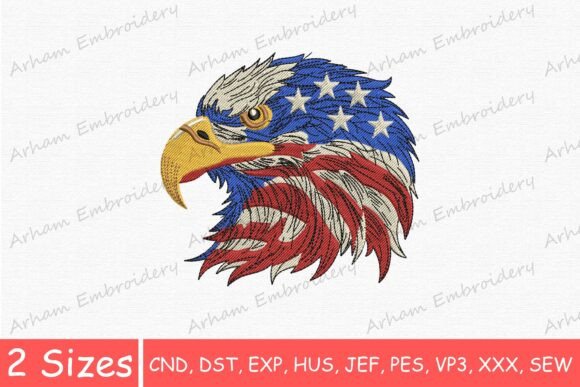
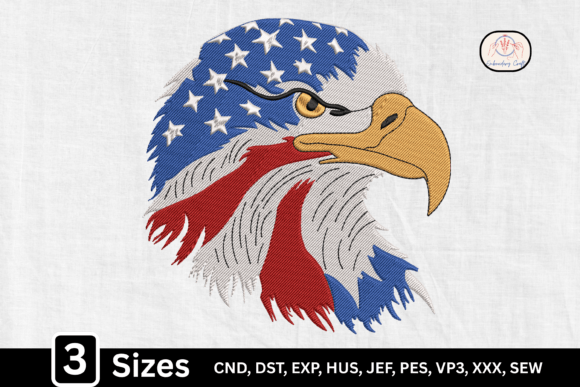
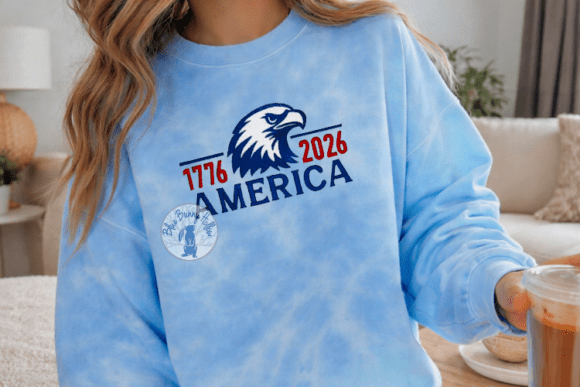
When I first opened the 1776-2026 America embroidery design, I was struck by its strong visual presence. The central eagle head is regal but not overly ornate, making it a solid focal point. The bold dates framing the design immediately communicate a sense of historical pride and continuity, while the word “America” is styled in a way that feels classic and readable at a glance. This isn’t a subtle design—it’s meant to stand out, and it does so with a clean layout that avoids clutter.
From a designer’s perspective, this design feels like it was made for seasonal and commemorative projects. It has a timeless, patriotic mood that could work well for Independence Day items, but also for historical-themed merchandise, small shop apparel, or even baby gifts where a touch of Americana is desired.
Real-Life Use: From Tote Bags to Sweatshirts
I recently used 1776-2026 America on a custom embroidered tote bag for a local boutique. The design stitched cleanly on medium-weight cotton canvas with minimal thread breaks. The eagle head held up well in satin and fill stitches, and the lettering was crisp, even in smaller areas like the “76” and “26” in the dates. I used a medium-weight cutaway stabilizer, which helped keep the fabric from puckering under the heavier fill areas.
When I tested the same design on a sweatshirt, the texture of the fleece backing created a slightly uneven background, but the overall design still read clearly. I adjusted the stitch density slightly in my machine embroidery software to compensate for the thicker fabric, and that helped maintain clarity. It’s definitely a design that benefits from a bit of extra attention to stabilizer choice and fabric prep.
Where to Use It Carefully
While 1776-2026 America is a strong performer overall, there are a few situations where it needs extra consideration. I wouldn’t recommend it for very small hoop sizes—especially if you’re trying to preserve the eagle head detail. The fine lines in the eagle’s feathers can get lost or distorted in smaller formats.
Dark fabrics can also be a challenge. The eagle’s details are stitched in lighter threads in most default files I’ve seen, which helps them stand out. But if you’re changing thread colors for a custom look, be sure to test contrast levels before committing to a final stitch-out. I also noticed that on stretchy fabrics like cotton jersey or baby onesies, the lettering can pucker slightly if not properly stabilized.
Curved surfaces like baseball caps or tight corners on patches can cause distortion in the eagle’s face or the lettering. I always test these placements first, especially if I’m planning to sell the finished product as part of a small shop collection or Etsy listing.
Visual Appeal and Customer Response
One of the biggest strengths of 1776-2026 America is its visual clarity. The design reads well from a distance, which is important for apparel and tote bag designs. Customers don’t want to squint to figure out what they’re looking at, and this design avoids that issue with its strong central image and clear typography.
When I used it on a batch of embroidered baby caps for a holiday gift line, the parents responded positively—especially to the historical angle. It felt more meaningful than a generic flag or star design. That kind of emotional resonance can boost the perceived value of a handmade product, especially when you’re positioning it as a personalized gift or boutique item.
Design Notes for Embroidery Professionals
- Test on scrap fabric first—especially if you’re using a new stabilizer or fabric type.
- Check thread color contrast when using dark backgrounds or unconventional color schemes.
- Review stitch density on fill areas to prevent fabric distortion on thinner materials.
- Confirm hoop size matches the design dimensions to avoid scaling issues.
- Inspect small details like the eagle’s eye and feather lines to ensure they stitch cleanly.
- Test in black and white mockups to see how the design reads without color.
- Compare light and dark fabric backgrounds to see how the design translates across product lines.
- Use proper stabilizer depending on fabric type—cutaway for stretchy, tear-away for stable weaves.
- Check licensing before using the design in commercial embroidery or digital product bundles.
Best Fit for Craft Businesses and Etsy Sellers
If you’re running a small craft business or Etsy shop, 1776-2026 America can be a versatile asset. It works well for seasonal items like holiday towels or sweatshirts, but also for historical-themed merchandise that can sell year-round. I’ve used it on embroidered patches that were sewn onto denim jackets and aprons, and each time, the design held up well to wear and washing.
For digital product sellers, this design is a solid addition to a patriotic or historical-themed embroidery bundle. Just make sure to include notes about fabric recommendations and thread color options in your product description. That extra detail builds trust with buyers and reduces support questions later.
Final Thoughts: A Strong Design for Real-World Projects
Overall, 1776-2026 America is a well-constructed embroidery file that balances visual impact with practical usability. It’s not overly complex, which makes it accessible for both hobbyists and professionals, but it still carries enough detail to feel premium. Whether you’re creating a custom embroidered sweatshirt for a client or building a line of boutique merchandise, this design offers flexibility and appeal.
As with any machine embroidery design, success comes down to fabric choice, stabilizer use, and thoughtful placement. But with a little preparation, 1776-2026 America can become a go-to design in your embroidery project toolkit.